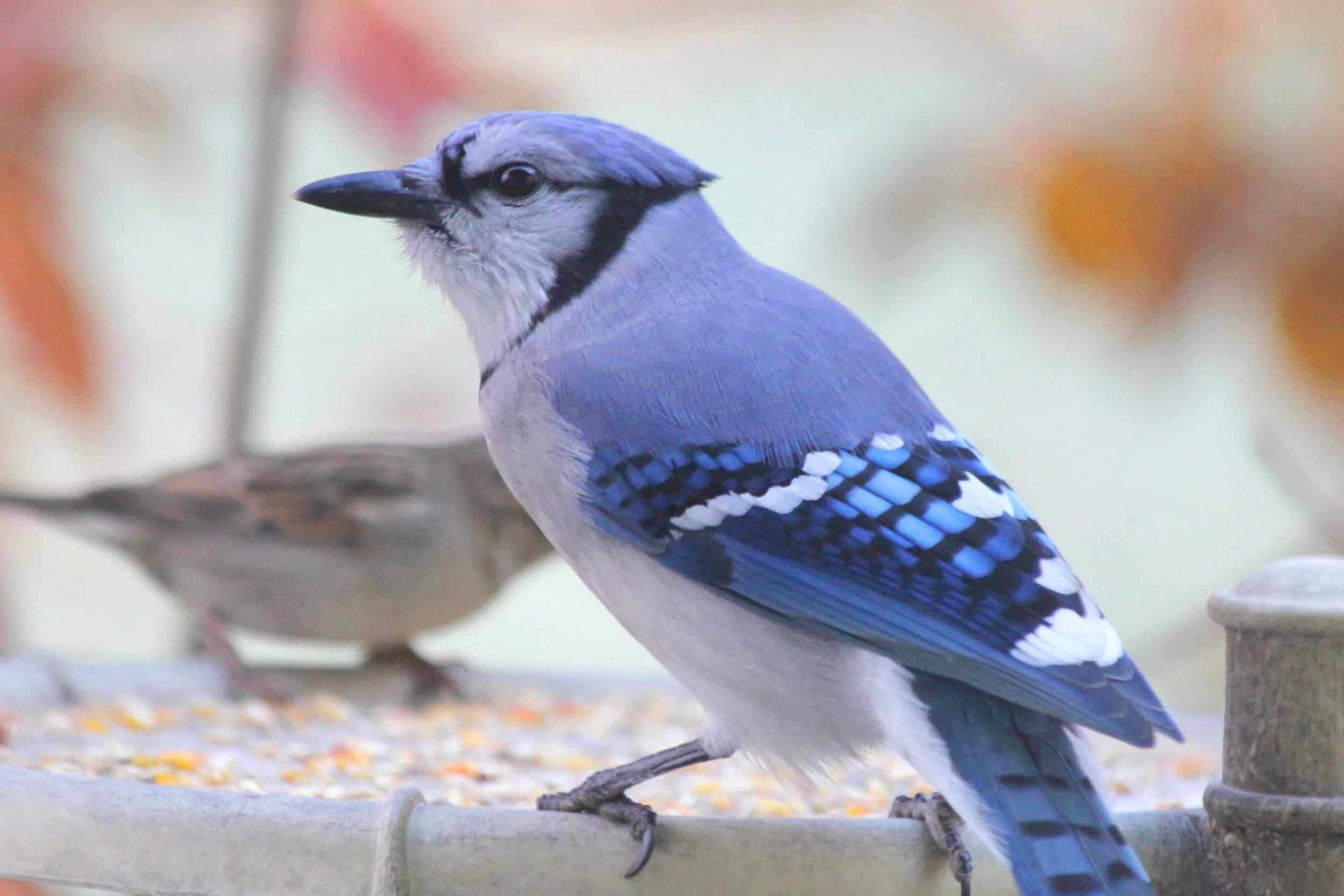
Blue jay bird is one of the most colorful and fascinating birds you can see in your backyard. Blue jay bird has bright blue feathers with white and black markings that make it easy to spot. These birds are not just beautiful; they are smart and very curious. You might notice them hopping on the ground or sitting on a tree branch, looking around with sharp eyes. Blue jay bird can mimic sounds and even other birds, which is fun to watch. They are very social creatures and often travel in small groups. Their loud calls and cheerful chatter bring life to forests, parks, and gardens. People love seeing blue jay bird because it adds color and energy to nature. Watching them can also help kids and adults learn more about birds and how they live, making nature walks more exciting.
Blue jay bird is not only pretty but also very clever. These birds can hide food like nuts and seeds in different places to eat later, showing they have excellent memory. Blue jay bird can warn other birds about danger with their loud alarm calls, which helps protect smaller birds too. They are strong fliers and can travel long distances to find food and safe places to live. Their diet includes seeds, nuts, fruits, and sometimes small insects. Blue jay bird builds nests carefully in trees using twigs, leaves, and soft materials to keep their babies safe. People often notice their playful behavior, like chasing each other or making funny movements with wings and tail. Learning about blue jay bird can teach us a lot about nature, teamwork, and survival in the wild.
Blue Jay Bird Facts: Fun and Easy to Learn
Blue jay bird is one of the most exciting birds to watch. They have bright blue feathers that shine in sunlight, with black and white markings that make them easy to spot. Blue jay bird is smart and curious, often looking around carefully for food or other birds. They can mimic sounds from their environment, like other birds’ calls or even human noises. People enjoy seeing blue jay bird because they are active and playful. These birds like to explore their surroundings, hop on branches, or peek at feeders. Blue jay bird is also social and likes to stay in small groups, chatting loudly. Learning about blue jay bird helps kids understand nature better, and seeing their bright colors can make gardens feel lively and cheerful every day.
Why Blue Jay Bird Is So Smart and Clever
Blue jay bird is very clever and has amazing memory skills. They hide nuts and seeds in many places to eat later, remembering where each one is. Blue jay bird also warns other birds about danger with loud alarm calls, helping smaller birds stay safe. These birds can solve simple problems, like opening shells or finding food in tricky places. Blue jay bird is playful and enjoys exploring new things around their home. They can fly quickly to escape predators or move to areas with more food. Watching blue jay bird shows us how smart animals can be, and it is fun to notice their thinking and actions. Their intelligence makes them unique among birds and helps them survive and thrive in nature.
How to Identify a Blue Jay Bird in Your Garden
Blue jay bird is easy to recognize because of its bright blue feathers and white chest. They have black markings around their neck and face, which makes them stand out. Blue jay bird also has a long blue tail with white tips. Their eyes are dark and sharp, helping them spot food or danger quickly. You may see blue jay bird hopping on the ground or sitting on tree branches. They are noisy birds, so their loud calls are another way to find them. Blue jay bird often comes to feeders with seeds, nuts, or corn. Watching them closely helps you see their playful nature, like flapping wings or chasing each other. Recognizing blue jay bird is fun for kids and adults who enjoy learning about backyard birds.
Blue Jay Bird Sounds and Calls: What They Mean
are birds mammals makes many interesting sounds. They have a loud “jay-jay” call that warns other birds of danger. Blue jay bird can also mimic other birds or even some human noises. Their calls help them communicate with friends and family in the area. Sometimes, blue jay bird makes soft sounds when feeding or resting, which shows they feel safe. These birds use sounds to claim their territory and scare away intruders. Listening to blue jay bird calls can teach us about their emotions and behavior. People who enjoy birdwatching love identifying different calls and learning what each sound means. Understanding blue jay bird sounds makes nature more interesting and helps people feel closer to the world of birds around them.
Feeding and Watching Blue Jay Bird Safely
Blue jay bird enjoys eating seeds, nuts, fruits, and sometimes insects. You can place bird feeders in your garden to attract them safely. Blue jay bird likes peanuts, sunflower seeds, and corn. Make sure feeders are clean and filled with fresh food. Blue jay bird is cautious, so they may watch for danger before eating. They often take food back to hide or share with other birds. Watching blue jay bird can be fun for kids, helping them learn patience and care for animals. Avoid feeding them junk food, as it can harm them. Feeding blue jay bird properly helps them stay healthy, active, and happy, while giving people a chance to enjoy their bright colors and playful behavior every day.
Blue Jay Bird Nesting Habits and Baby Care
Blue jay bird builds nests high in trees using twigs, leaves, and soft materials. They make a round, sturdy home to protect their eggs and babies. Blue jay bird parents take turns keeping eggs warm and feeding the babies. The babies grow fast and soon learn to fly and find food themselves. Blue jay bird is protective of its nest and warns other animals if they come too close. They are careful and clever, choosing safe places that are hidden from predators. Watching blue jay bird raise babies teaches us about care, teamwork, and survival. It is amazing to see how hardworking these birds are and how they teach their young to be smart and independent in the wild.
Amazing Colors and Patterns of Blue Jay Bird
Blue jay bird has bright blue feathers on its back and wings that shimmer in sunlight. Its chest and belly are white, and it has black markings around the face and neck. The tail is long and blue with white edges. Blue jay bird’s colors make it easy to spot in trees, gardens, and parks. They sometimes spread their wings to show off their patterns while flying. These beautiful colors help them attract mates and show their health. Blue jay bird’s unique combination of blue, white, and black makes them one of the most recognizable birds in nature. People enjoy watching their bright colors because it adds beauty and joy to outdoor spaces every day.
Blue Jay Bird Behavior: Playful and Social Nature
Blue jay bird is playful and enjoys interacting with other birds. They chase each other in the trees, flap their wings, and make funny movements. Blue jay bird likes being in small groups, sharing food, and warning friends of danger. They are curious and explore new places to find food or safe spots. Blue jay bird also likes to hide nuts and seeds, showing how clever they are. Watching their playful behavior can teach kids patience, observation, and respect for nature. Blue jay bird is active in the morning and evening, making these times best to watch them. Their social nature and energy make them one of the most interesting birds to enjoy in gardens, forests, and parks.
Protecting Blue Jay Bird: Tips for Garden Lovers
Blue jay bird can be protected by creating a safe and clean garden space. Avoid using harmful chemicals on plants and grass, as they can hurt birds. Provide fresh water for drinking and bathing. Plant trees and shrubs to give blue jay bird shelter and nesting spots. Keep feeders full of healthy food like nuts, seeds, and corn. Blue jay bird also needs space to fly safely, so avoid loud disturbances. Watching and protecting them teaches kids to care for animals and nature. These simple tips help blue jay bird stay healthy, happy, and active. A safe garden also makes it easier for people to enjoy their playful and colorful presence every day.
Conclusion
Blue jay bird is one of the most beautiful and smart birds you can see in your garden. They have bright blue feathers, playful behavior, and loud calls that make nature fun. Watching them helps us learn about animals, teamwork, and care for the environment.
Taking care of blue jay bird is easy and important. Giving them food, water, and safe places to live keeps them happy and healthy. These birds bring joy to gardens, parks, and forests, and seeing them every day is a wonderful experience for kids and adults alike.
FAQs
Q: What does a blue jay bird eat?
A: Blue jay bird eats seeds, nuts, fruits, and sometimes insects.
Q: Where do blue jay birds build their nests?
A: They build nests high in trees using twigs, leaves, and soft materials.
Q: Can blue jay birds mimic sounds?
A: Yes, blue jay bird can mimic other birds and some human noises.
Q: Are blue jay birds friendly?
A: They are social and playful with other birds, but cautious around humans.
Q: How can I attract blue jay birds to my garden?
A: Provide fresh water, safe trees, and feeders with nuts and seeds.